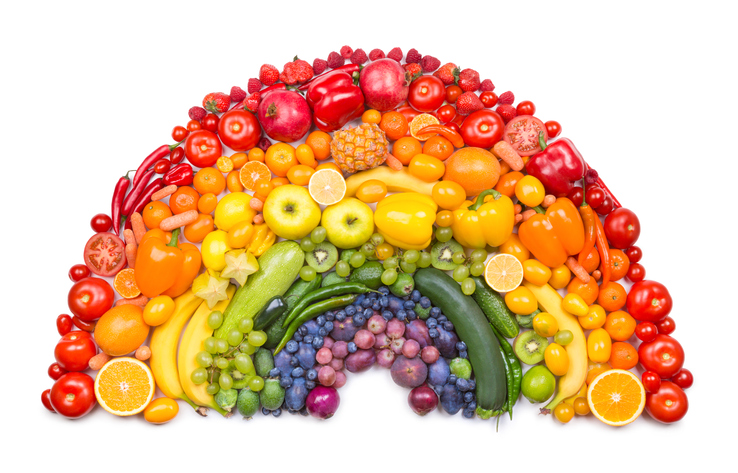
EATING MORE PLANT-BASED FOODS: IS GOOD ADVICE FOR US ALL says Sharon Kallos, Registered Nutritionist

Suggesting we aim to include at least 30-different plant-based foods, every week, to our meals has become popular advice recently. This movement is based on a 2018 study from the ‘American Gut Project’ which analysed the gut microbiome of over 10,000 participants.


So why is 30 the magic number?

  • In the massive, open-sourced study launched in 2012 by UC San Diego researchers, a group who ate over 30 different plant foods a week were compared to a group who ate 10 or fewer plants a week. The results showed that the group who ate a minimum of 30+ plant-based foods had:
    • Increased gut microbiome diversity – which is important for digestion, absorption of nutrients and immune system functioning; and had
  • • Higher levels of important metabolic products such as SCFA – important for maintaining gut barrier integrity and regulating immune function.
The health benefits associated with a more diverse microbiome are associated with lower chronic disease, improved immune function and better mental health (gut microbes involved in the regulation of serotonin, GABA and dopamine).


Exactly how achievable though, is this in every day life? 

And what counts as a ‘Plant-based food’? The six main plant groups are known as the “Super 6”:
  1. Fruits: for example, apples, berries, bananas, oranges, melons.
  2. Vegetables: for example, broccoli, carrots, leafy greens (lettuce, kale), peppers, sweet potatoes, tomatoes, onions.
  3. Whole Grains: for example, oats, brown rice, quinoa, barley, whole-grain bread.
  4. Legumes: Lentils, chickpeas, beans, peas, tofu.
  5. Nuts & Seeds: Almonds, walnuts, chia seeds, sunflower seeds, pumpkin seeds.
  6. Herbs & Spices: Parsley, mint, basil, cinnamon, turmeric, ginger, chili.

[The above list is representative, not exclusive. If a food comes from a plant source and is minimally processed, it counts. Plant-based foods include all fruits and vegetables, legumes, grains, milks made from nuts or grains, nuts and seeds.] For a ‘Complete plant-based foods list see >

To help you keep an eye on how many of these foods you could include in your meals each week (seven days), you could keep a ‘score’. Each plant group rates a point, or part of a point. For example:

  • Groups 1 to 5: Count as 1 point each
  • Group 6: Count as ¼ point
  • Other: Strictly speaking coffee, tea, dark chocolate (70%+), and extra virgin olive oil do not fit into the above ‘groups’ but are considered to be ‘plant boosters’, due to their high concentration of beneficial compounds (polyphenols).  They are counted as ¼ point, the same goes for herbs and spices too.

It’s worth noting that general advice also advocates mixing it up each week, so you are not always eating the same 30 plant-based foods. Your ‘gut bugs’ love variety. Keep on reading for advice on how to realistically manage this. Outlets such as Waitrose also  offer helpful menu ideas >

How easy is it to achieve 30 plant-points a week ?

A plant-based diet focuses primarily, but not exclusively, on foods from plants. This includes not only fruits and vegetables but also whole grains, nuts, seeds, oils, beans and legumes. It does not mean a strictly vegan or vegetarian diet but opting to choose more of the foods you eat, from plant sources.

Aim for variety “by counting different colours and types, with things like coffee, tea, and olive oil also contributing, to feed your gut microbiome and boost health. You don’t need to eat massive amounts; simply including a diverse range of plants like apples, spinach, brown rice, lentils, almonds, basil, and even dark chocolate (70%+) helps you hit the goal, with herbs/spices counting as ¼ point.“
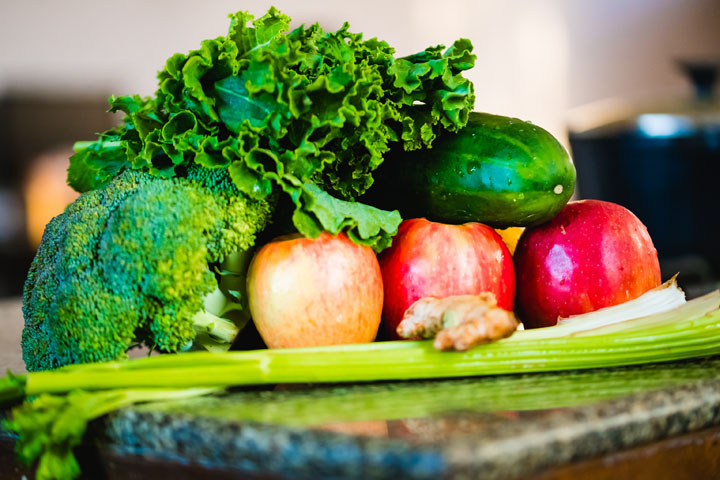
If you are currently consuming very few vegetables, fruit or legumes, then begin slowly. Increasing your intake of plant-based foods also increases your fibre intake (so, a double-win). However, this can lead to increased stomach gas, bloating, diarrhoea and/or constipation. Tips to avoid these symptoms include:
• Add new foods one at a time
• Increase your water intake to avoid constipation due to additional fibre (which soaks up liquid)
• Keep moving – stretching exercises and yoga helps digestion. Check out our classes at Physio on the River >
  • fruit and veg rainbow nutrition tip

Easy wins for increasing variety

1. Swap your carbs – switch white bread, rice and pasta for wholegrain bread, rice and pasta
2. Add nuts & seeds – small handful of nuts & or seeds to your yoghurt, porridge or fruit
3. Buy tinned and frozen fruit and veg – Frozen berries added to yoghurt or porridge, mixed veg to make a soup, add canned beans and chickpeas to roast vegetables, use chickpeas or butter beans to make a dip
4. Pulses and lentils – add pulses or lentils to ‘plant boost’ your bolognese or soups, for increased protein and fibre

*****

Use a Checklist to monitor progress (examples)

1. Track Variety: Each new type or even a different colour (e.g., red pepper vs. yellow pepper, red apple vs. green apple) adds a point.
2. Portion Size: Most plants count as 1 point regardless of portion, but herbs, spices, coffee, tea, and olive oil count as ¼ point.
3. Daily Goal: Aim to add a few different plants to each meal (breakfast, lunch, dinner) and snack to reach 30 by week’s end.
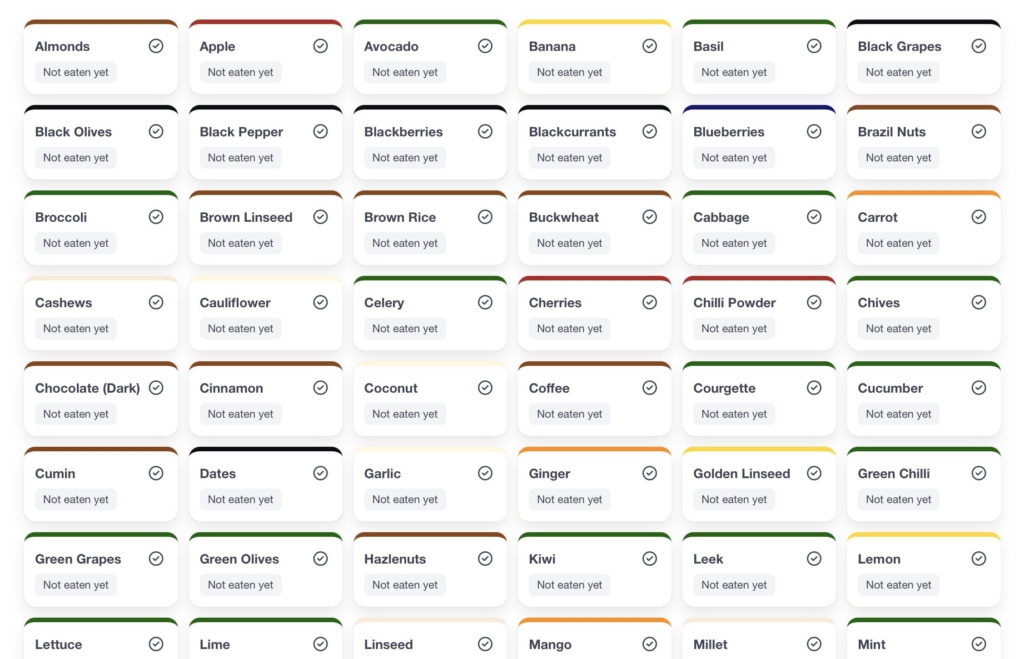
4. Checklists: Use printable lists or apps like 30Veg.co.uk to tick off items as you eat them.

*****

Sample Day

1. Breakfast: Oats (1) + Berries (2) + Chia Seeds (3) + Coffee (4)
2. Lunch: Mixed Salad (Lettuce, Cucumber, Tomato, Carrot – 5, 6, 7, 8) + Chickpeas (9) + Olive Oil (10) + Lemon Juice (11)
3. Dinner: Salmon with roasted Broccoli (12) + Sweet Potato (13) + Spinach (14) + Garlic (15) + Parsley (16)
4. Snacks: Apple (17) + Handful of Almonds (18) + Dark Chocolate (19) + Tea (20) + Lentil Soup (21) + Bell Pepper Strips (22) + Avocado (23) + Whole Grain Crackers (24) + Walnuts (25) + Pineapple (26) + Orange (27) + Cucumber (28) + Ginger (29) + Mint (30).

CONCLUSION

Increasing your consumption of plant-based foods can significantly increase the diversity of your gut microbiome. Which in turn, strengthens your immune system, improves digestion, and reduces the risk of chronic diseases such as diabetes and heart disease. In other words, a 30+ variety of plant-based foods (per week) feeds a broader range of gut bacteria, producing beneficial compounds that lower inflammation and support long-term health.
*****
And in general, expert nutritional advice can significantly enhance the effectiveness of physiotherapy treatment by providing the essential building blocks for tissue repair, reducing inflammation, and maintaining energy levels during rehabilitation.

If you have any nutritional concerns or would simply like to discuss how a personalised nutrition plan could beneficially impact your physiotherapy treatment or training programme, then please do call our Reception Team now on 020 8876 5690 to book an appointment.

************

ABOUT THE AUTHOR: Sharon Kallos BSc RNutr is a Registered Nutritionist and works closely with Physio on the River to assist clients with achieving optimum results from their physiotherapy treatments. You can find out more about Sharon on our website >

LINKS & REFERENCES

The American Gut Project: https://www.mymicrobiome.info/en/news-reading/the-american-gut-project

Gut Microbiome: https://www.nutrition.org.uk/creating-a-healthy-diet/gut-health/?gad_source=1&gad_campaignid=22354517457&gbraid=0AAAAADN2rIs4alx2uqmNbf4uY3FxCSoP9&gclid=EAIaIQobChMIxf3Nnta6kgMV1aNQBh1xkBOCEAAYASAAEgI3qfD_BwE

FIND OUT MORE

* Visit our clinic & sports studio near Barnes Bridge Station

* Book an appointment online or by calling us on 020 8876 569

* Email us for further information

* Like this blog? Why not follow us on Instagram for regular updates & tips