
RESISTANCE PILATCHI
Why do physiotherapists think it’s good for us?
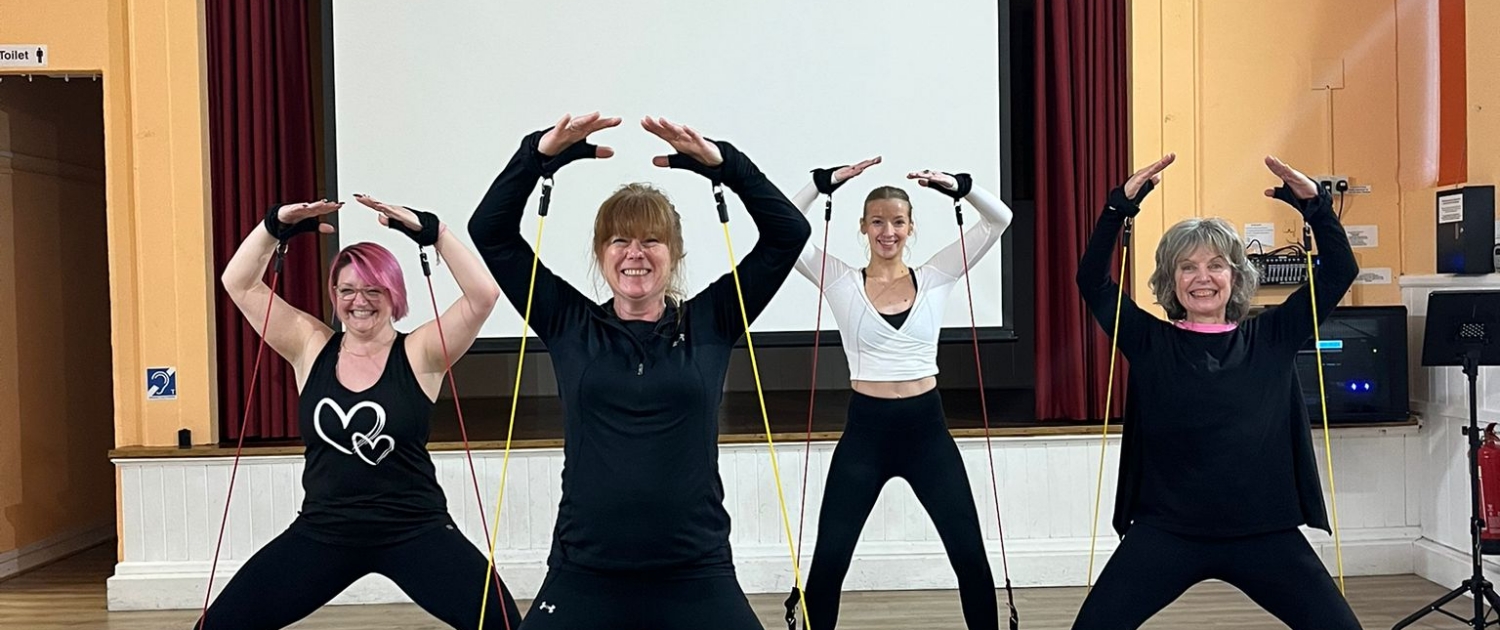
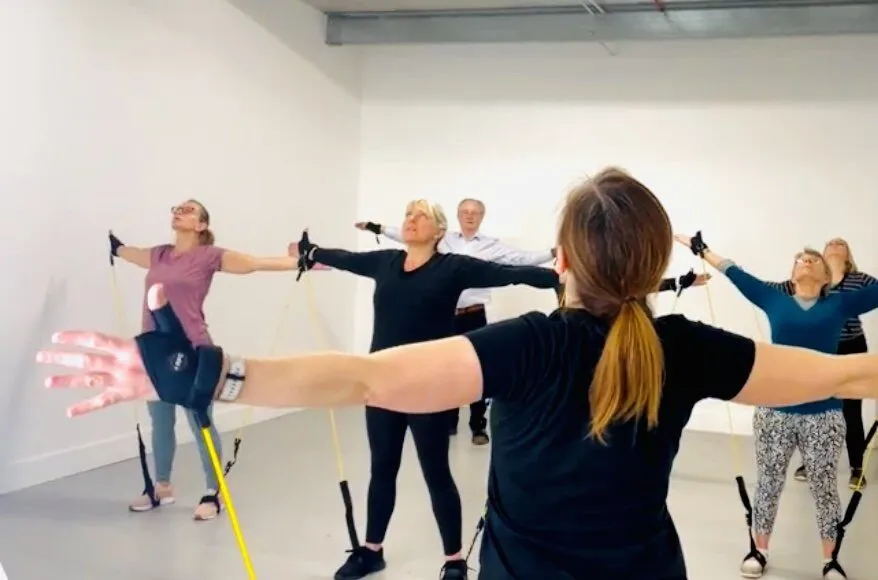
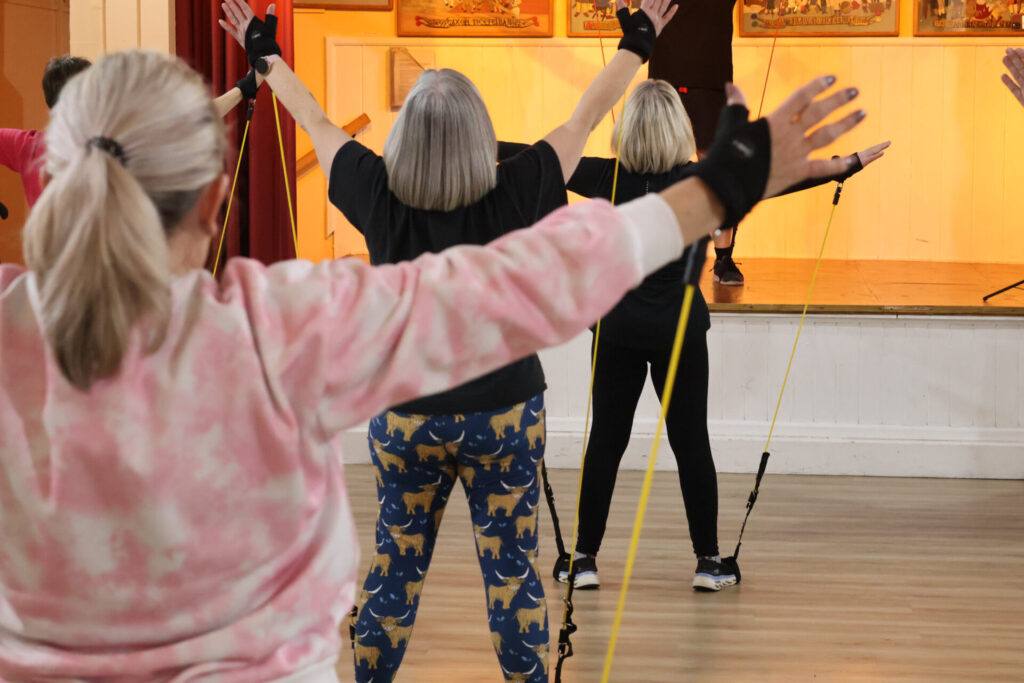
Resistance Pilatchi is a mindful and controlled form of movement that uses bands (comfortably secured to your hands and feet) to create tension and resistance, while moving freely through various exercises in a continuous flow.
Originally designed by UK-based physiotherapist Sean Searight, MSc, BSc (Hons) this relatively new form of low-impact, joint-friendly exercise aims to exercise the body, while also practising stress-relief for the mind. At the end of each session, you should feel energised and altogether less stiff, with a sense of peacefulness and higher self-esteem. And we all need some of that!
Designed to be accessible to everyone, Pilatichi is an excellent exercise for any age group, endorsed by experienced Physiotherapists. It works on strength (including your core), balance and posture. Join a class with us today and see the benefits for yourself.
Regular practice at home or while travelling is encouraged, however attending a class with us ensures ‘progressive training’ in a safe environment. Over time you will improve your technique and feel challenged to (safely) develop at your own pace. All of our instructors and physiotherapists who teach Resistance Pilatchi at Physio on the River are fully trained and certified++.
*****
SO, WHAT EXACTLY DOES PILATCHI ENTAIL?
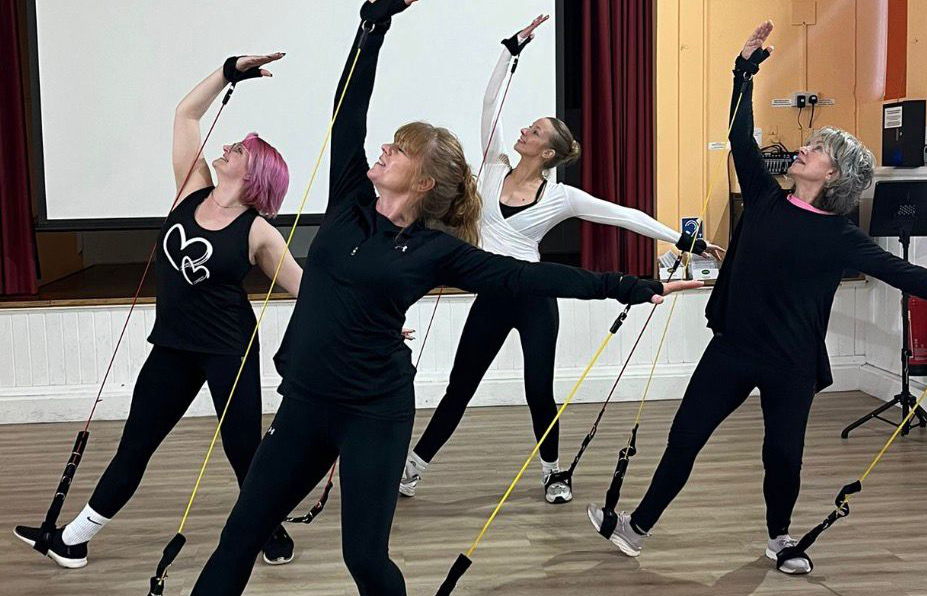
Resistance Pilatchi is a low-impact exercise class that focusses on controlled resistance and joint alignment. There is no jumping, no high-impact movements, and no aggressive loading. You will not feel sweaty, but you will feel as if you have exercised.
Strength
As the name suggests, this new fitness concept blends Pilates* strength movements with the steady flow of Tai Chi**. The exercises themselves are based on physiotherapy rehabilitation principles^. We follow these principles in the POTR clinic when aiding clients back to mobility and strength, after an injury or during physiotherapy-led strength training.
The routine builds strength while protecting your knees, hips, shoulders, and wrists. It has been designed as an alternative – and practical – fitness routine for anyone who might find mat work uncomfortable due to injury, ill-health or age-related conditions (the exercises are mostly executed whilst standing upright), or for anyone who may have hypermobility in their joints. Additional challenge can be added progressively.
Better Balance
Pilatchi ensures you activate your entire body during a session and helps to promote dynamic core stability, postural strength, muscle control, leading to a better sense of balance.
Mindful
As a ‘mindful’ form of exercise, the focus on slow, controlled movements boosts muscle tension, improves your posture, and promotes both flexibility and agility – in a way that can feel both gentle and invigorating. While at the same time cultivating a calm yet energised state of mind using soft background music to enhance the moment. Exercises are all performed in one fluid routine, just as with Tai Chi.
*****
In short, benefits include:
• A controlled tempo (slow & considered) which results in smooth, progressive resistance
• Functional strength and upright movement patterns that transfer into daily life (vital as we age)
• Encourages joint alignment awareness
• Ensures stability before loading the muscles
• Improved balance and coordination
• Greater engagement of stabilising muscles
• Increased confidence in movement (ie. use it or lose it)


WHY USE SECURED BANDS?
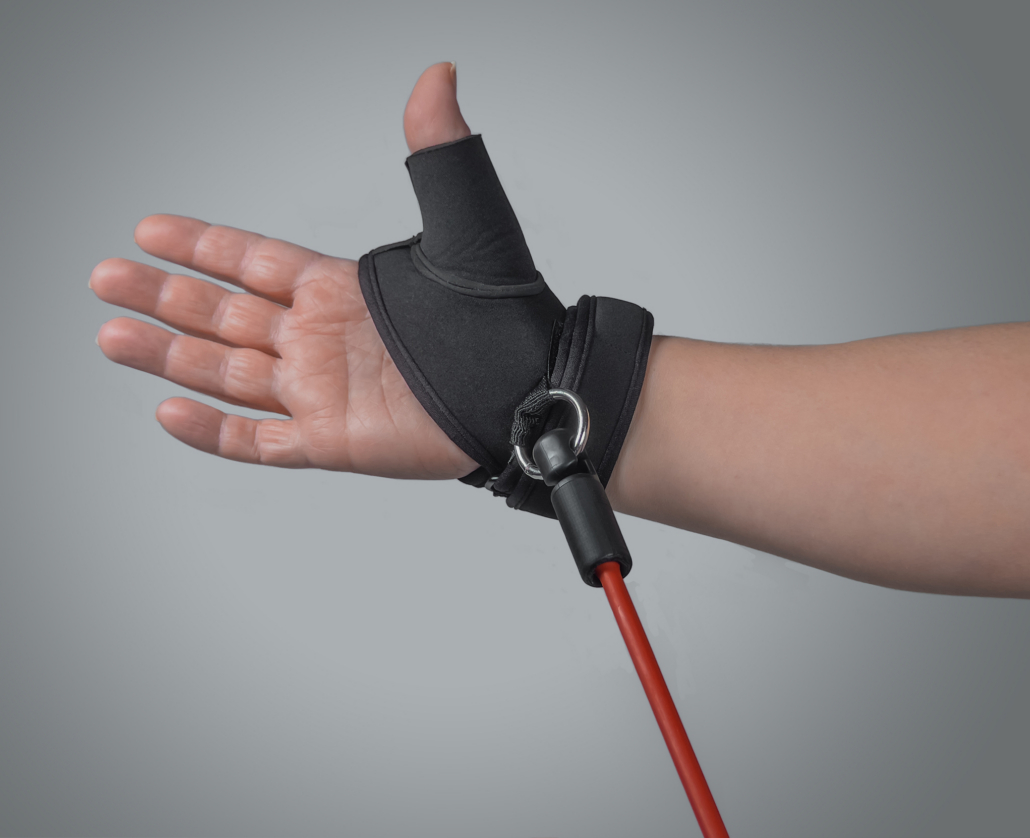
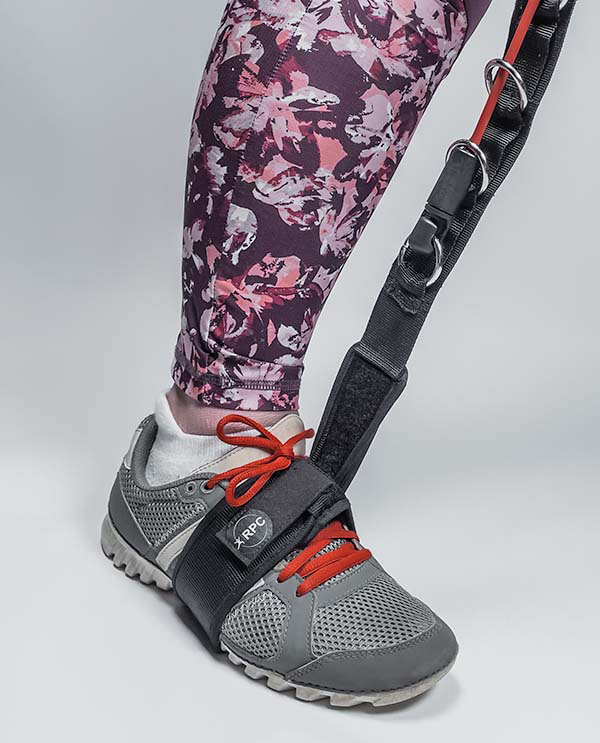
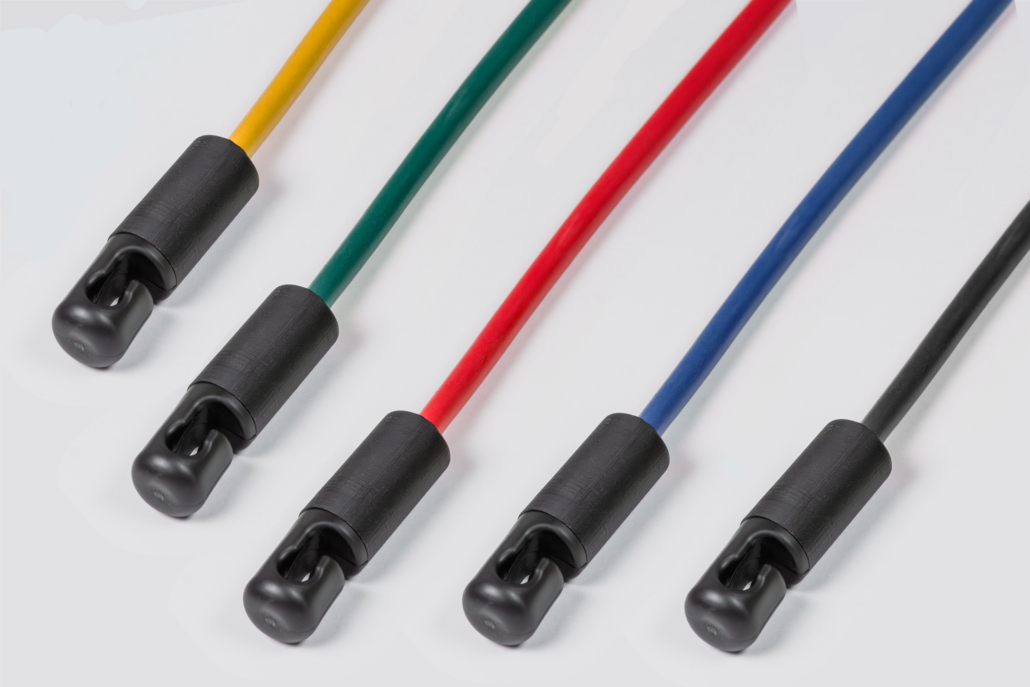
Contrary to using traditional rubber resistance bands – where you need to grip the bands tightly – the Pilatchi band system is attached safely and securely to the hands and feet using specially designed gloves and/or foot straps to create tension. We believe that it takes physical rehabilitation, or physio-led fitness training, to a whole new level.
This secured band system:
• Reduces strain on wrists and fingers
• Removes excessive grip pressure
• Allows smoother movement through range
• Keeps tension consistent without significant jerking on muscles or joints

THE DIFFERENT VARIATIONS OF RESISTANCE PILATCHI
Sean has developed adaptable versions of the programme:
1. PILATCHI CALM
This is the original version of Pilatchi. It involves a certain amount of meditation and, as the session progresses, you will gradually fall into a tranquil state of mind as you begin to “use slow, deliberate motions to engage your muscles in tandem with your breath.”
The gentle resistance of the bands provides just enough challenge to build strength while ensuring you are able to keep your focus on each controlled movement. “By fusing meditation techniques with standing dynamic exercises, you’ll discover a stress-relieving routine that soothes the mind and rejuvenates the body to prepare for function” says Sean.
2. PILATCHI CLINICAL
Clinical (or physio-first) Pilatchi is a higher-intensity option that may include cardio elements. It is designed for one-to-one sessions in the clinic with a physiotherapist or specialist instructor. During the session, you can work standing, seated, or lying on a mat. This format is ideal for rehabilitation, whether you are addressing a specific condition or injury, or helping to prevent future problems.
A clinical approach while working with a physiotherapist, “emphasises gradual progression, enhancing joint stability, and fostering body awareness, essential for effective rehabilitation”.
3. PILATCHI MAT
Pilatchi on a mat (ground-based, strength work) can be used as an extension to enhance rehabilitation exercises as part of the clinical work above, to be undertaken with a physio or specialist instructor.
CONCLUSION: WHY WE ENDORSE PILATCHI
- Many clients who come to see a physiotherapist need to avoid or reduce join strain. This low-impact form of exercise is perfect for those with arthritic joints – the low-impact element of the exercises will not worsen the condition of your joints.
- Resistance Pilatchi can also help with proprioception. In other words, the internal GPS that we all possess that gives us an innate awareness of the position our body is in at any given moment, such as when we walk forward without looking at our feet or if we try to touch our nose with our eyes shut. Our body sends continuous feedback to our brain from our muscles, tendons and joints.
- “Many individuals over the age of 55 simply prefer standing work to mat-based exercise. It feels more natural, more empowering, and more relevant to everyday tasks. Critically, this is also less painful on some of the joints and avoids regular transitions from mat to standing” says Sean.
- Just as with traditional resistance bands, the system is “portable, gentle and empowering”.
We provide all the equipment you might need if you are attending a class with us at Physio on the River. We also sell packs for you to take away if you would like to practice at home or while travelling. The kit is very easy to transport in the bag provided. Please ask at our reception desk for more information about classes or one-to-one availability.
Resistance Pilatchi could be the perfect antidote to our busy everyday lives.
Learn more, in depth, in Sean’s blog here: https://resistancepilatchi.com/pilates-with-resistance-bands
If you would like to Try-Out a class or learn more about this new exercise class, then please do call our Reception Team now on 020 8876 5690 to book a session.
************
LINKS & REFERENCES
++Resistance Pilatchi is recognised, registered and endorsed by and with the Chartered Institute of Managing Sports and Physical Activities (CIMSPA). Our instructors and physiotherapists who practice Pilatchi are CIMSPA Registered Accredited.
~~~~~~~~~~~
Sean Searight, founder of Pilatchi, is a former Lieutenant Colonel and physiotherapist with decades of military and clinical experience under his belt. While working at the UK’s former leading military rehab centre, Headley Court, Sean worked at the heart of rehabilitation, guiding countless service personnel through recovery, resilience, and renewal. He studied for his Physiotherapy BSc at the University of Nottingham.
*Pilates: is a low-impact, mind-body exercise method focusing on core strength, postural alignment, flexibility, and controlled movement to build total-body endurance.
**Tai-chi: combines slow, graceful movements, deep breathing, and focused attention to improve balance, strength, flexibility, and improve stress reduction.
^Physiotherapy Rehabilitation principles: focus on restoring optimal function and independence through individualized, evidence-based, and patient-centered care, employing graded loading, pain management, and education to safely return the person to their daily activities with minimal risk of re-injury.
~~~~~~~~~
 Ali_Mansell_POTR